# Pasta alla Gricia Recipe (Roman Classic)
Pasta alla gricia is the simplest of Rome's four classic pastas—just guanciale, Pecorino Romano, and black pepper. Often called "carbonara without eggs," this dish proves that simplicity, when executed perfectly, is sublime.
Why This Recipe Works
This authentic Roman gricia succeeds because:
- Pure simplicity — Just four ingredients (pasta, guanciale, cheese, pepper)
- Perfect technique — Mantecatura creates creamy sauce from rendered fat
- Quality ingredients — Real guanciale and Pecorino Romano are essential
- No complications — No eggs to temper, no tomatoes to cook
- Rich and satisfying — Guanciale fat creates luxurious sauce
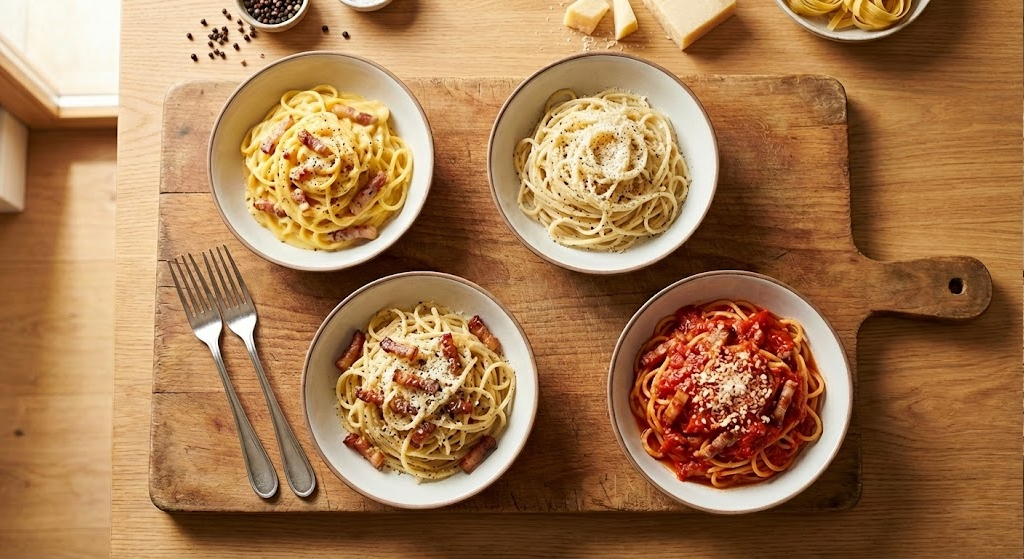
Important Note: Gricia is one of the four classic Roman pastas, along with carbonara, cacio e pepe, and amatriciana. It's essentially carbonara without eggs—perfect for those who want the richness without the egg technique.
Ingredients You'll Need
For the Gricia
- 400g spaghetti or rigatoni — Rigatoni is traditional, but spaghetti works
- 200g guanciale — Cut into strips (lardons)
- 100g Pecorino Romano — Freshly grated, very fine
- Black pepper — Freshly cracked, generous amount
Ingredient Notes:
- Pasta: Rigatoni is traditional, but spaghetti, bucatini, or mezze maniche work
- Guanciale: Essential—pancetta works but guanciale is traditional
- Cheese: Must be Pecorino Romano—freshly grated is essential
- Pepper: Freshly cracked is best—pre-ground lacks flavor
Why These Ingredients:
- Guanciale provides rich, porky base and fat for emulsion
- Pecorino adds saltiness and creaminess
- Black pepper adds heat and aroma
- Simple ingredients let technique shine
Equipment Needed
- Large pot for pasta
- Large skillet or pan
- Tongs or pasta fork
- Grater (for cheese, microplane ideal)
- Pepper mill (for fresh cracking)
Pro Tips for Perfect Gricia
- Render guanciale properly — Cold pan technique is essential
- Grate cheese very fine — Microplane is ideal
- Remove pan from heat — Prevents cheese from clumping
- Add cheese gradually — Prevents clumping
- Toss vigorously — Mantecatura creates the emulsion
- Add water as needed — Better to add than remove
- Serve immediately — Sauce thickens as it cools
Common Mistakes to Avoid
❌ Using pancetta — Guanciale is traditional and better
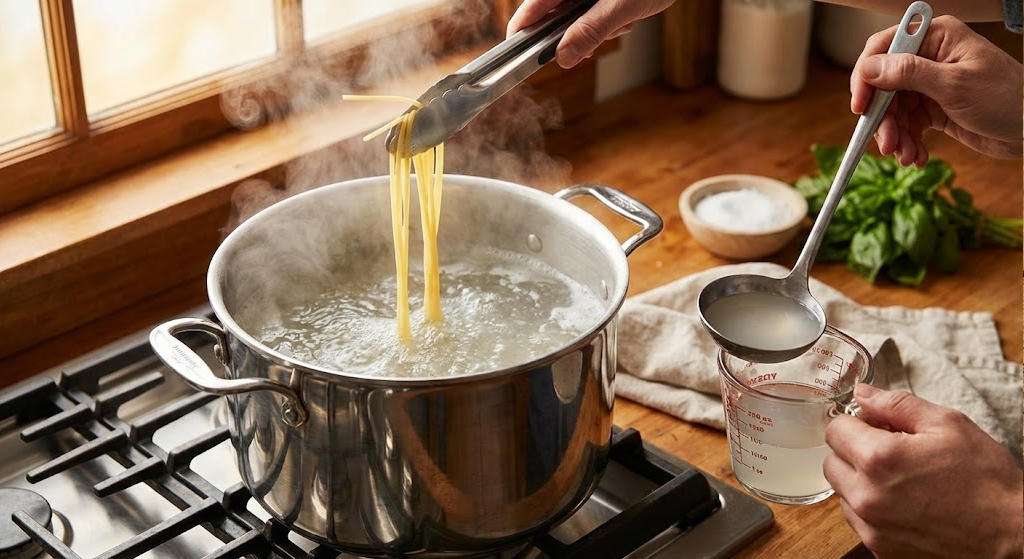
❌ Not reserving pasta water — Essential for the emulsion
❌ Adding cheese to hot pan — Will clump
❌ Not tossing vigorously — Weak emulsion
❌ Too much water — Makes sauce thin
❌ Too little water — Makes sauce thick and sticky
❌ Pre-ground pepper — Lacks flavor
Troubleshooting
My Cheese Clumped
Problem: Cheese forms clumps instead of creamy sauce
Cause: Pan too hot or cheese added too quickly
Solution:
- Remove pan from heat before adding cheese
- Add cheese gradually, tossing constantly
- Add more pasta water if needed
- Toss more vigorously
My Sauce Is Too Thin
Problem: Sauce is watery, doesn't cling
Cause: Too much pasta water
Solution:
- Add more cheese
- Toss more vigorously
- Let it reduce slightly
- Next time, add water more gradually
My Sauce Is Too Thick
Problem: Sauce is sticky, pasta clumps together
Cause: Not enough pasta water
Solution:
- Add pasta water gradually (1-2 tbsp at a time)
- Toss vigorously
- Continue until creamy
Variations to Try
Extra Peppery Version
Use more black pepper for extra heat and aroma.
Rigatoni Version
Use rigatoni (traditional)—sauce gets inside the tubes beautifully.
Bucatini Version
Use bucatini for a different texture—works excellently.
Single-Serve Version
Divide all ingredients by 4 for a perfect single serving.
What to Serve With Pasta alla Gricia
- Nothing — Gricia is perfect on its own
- Simple green salad — Fresh greens balance richness
- Crusty bread — Perfect for sopping up sauce
- Red wine — Italian red wine complements the dish
Storage and Reheating
Storage
Best served immediately. If storing, refrigerate in airtight container for up to 2 days.
Reheating
Reheat gently in a pan with a splash of pasta water (or regular water) over low heat, stirring constantly. Add more cheese if needed.
Can You Freeze It?
Not recommended. Cheese-based sauces don't freeze well.
Frequently Asked Questions
What's the difference between gricia and carbonara?
Gricia is carbonara without eggs. Both use guanciale, Pecorino, and black pepper, but carbonara adds eggs for extra creaminess.
Can I use pancetta instead of guanciale?
Yes, pancetta works, but guanciale is traditional and has more fat and richer flavor.
What pasta is best?
Rigatoni is traditional, but spaghetti, bucatini, or mezze maniche all work excellently.
Can I make this ahead of time?
No, gricia must be served immediately. The sauce thickens and the cheese can separate as it cools.
Is this easier than carbonara?
Yes! No eggs to temper, so it's slightly easier. Still requires good mantecatura technique.
What's the difference between gricia and cacio e pepe?
Gricia has guanciale. Cacio e pepe is just cheese and pepper—no meat.
More Recipes You'll Love
- [Cacio e Pepe](/recipes/cacio-e-pepe/) — Cheese and pepper Roman pasta
- [Pasta Amatriciana](/recipes/pasta-amatriciana/) — Tomato-based Roman pasta
- [Classic Spaghetti Carbonara](/recipes/classic-carbonara/) — The fourth Roman pasta
- [The Four Pastas of Rome](/guides/four-pastas-of-rome/) — Complete guide to Roman pastas
---
Recipe tested and perfected — This authentic gricia recipe has been tested multiple times to ensure it works reliably. Master the mantecatura technique and you'll have perfect gricia every time.